
The NAAC is regularly featured in the agricultural press and here are our latest news stories and articles.




29th May 2026
The NAAC will showcase both live land drainage expertise and business-focused discussion at Cereals 2026, taking place at Diddly Squat Farm on 10 and 11 June 2026.
Drainage Demo
At 8.30am and 10am both days a first-of-its-kind drainage demonstration, giving visitors the chance to see large-scale machinery in action and hear directly from specialists about water management, soil resilience and the role professionally designed drainage systems can play in protecting productivity.
With rainfall patterns becoming less predictable and pressure growing on farms to improve resilience, NAAC says the timing is right for farmers to revisit drainage infrastructure and understand how effective water management supports trafficability, crop performance, yield potential and protection against flooding, erosion and run-off.
NAAC members Farm Services and DMJ Drainage will demonstrate how drainage pipe is installed using specialist equipment and mapping technology, helping visitors understand both the technical skill involved and the importance of using trained operators to secure long-term results from a major capital investment.
Good land drainage remains one of the foundations of productive farming, and the NAAC is encouraging visitors to continue the conversation at the NAAC Land Drainage Hub, where members will be on hand to discuss system design, installation practicalities and the wider benefits of professional drainage.
Jill Hewitt added: “Drainage is one of those long-term investments that can make a significant difference to how land performs, particularly as weather patterns become more extreme and less predictable. This demonstration is about helping farmers see the practical expertise involved, the technology available and the value of getting drainage right from the outset, so the system delivers for many years to come.”
The Business of Contracting – with a pie and pint!
Later in the day, NAAC will switch the focus from field performance to business performance with its Pie, Pint and a Panel session, running from 1pm to 1.30pm on both days at Stand 507, with food and refreshments available from 12.30pm to 2.30pm thanks to sponsorship from Rural Asset Finance.
Visitors can expect contributions from award-winning contractors, progressive farmers and NAAC representatives across both days, creating an informal but informed forum for sharing practical experience and challenging assumptions about cost, value and professionalism in modern farm contracting.
The discussion is designed to prompt honest conversation about when it makes sense to carry out work in-house and when bringing in a contractor can strengthen the farm business, particularly as farms continue to balance tighter margins, greater compliance demands and the need for access to modern machinery and technical expertise.
Professional Contractors supporting UK Farmers
Together, the two activities underline NAAC’s message at Cereals 2026: agricultural contractors are central to delivery on today’s farms, providing specialist capability, investment and expertise that help farm businesses respond to agronomic, environmental and commercial pressures.
Jill Hewitt, Chief Executive of NAAC, said: “Cereals gives us the perfect opportunity to show, in a very practical way, the value that professional agricultural contractors bring to farm businesses. From investing in specialist drainage expertise and equipment, to helping farmers access the latest technology, skills and capacity when they need it most, contractors are a vital part of modern agriculture. We want visitors to leave with a clearer understanding of how contractors can support resilience, performance and long-term business success.”
With more than 91% of farms using a contractor, NAAC says the sector remains an essential but often under-recognised part of UK agriculture, supporting everything from core field operations and input application to nutrient management, technology uptake and specialist labour.
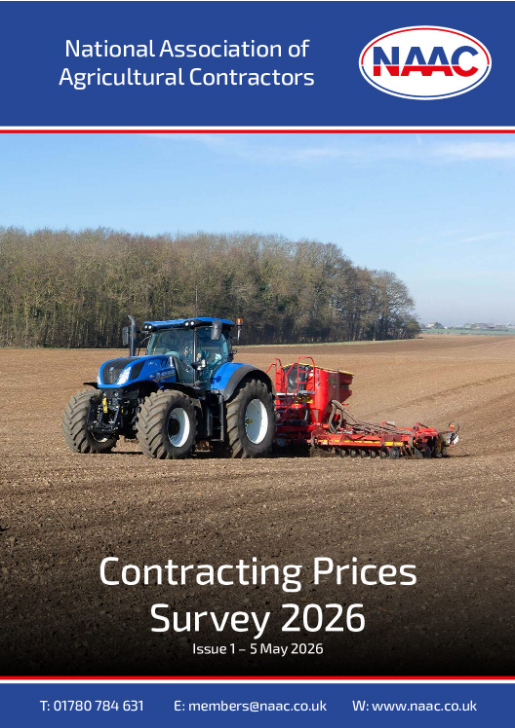
Farmers and contractors attending Cereals 2026 are invited to visit NAAC at Stand 507, attend the morning drainage demonstrations and join the lunchtime panel session to pick up practical insight, fresh ideas and the latest edition of the NAAC Contracting Prices Survey.
05th May 2026
08th October 2025
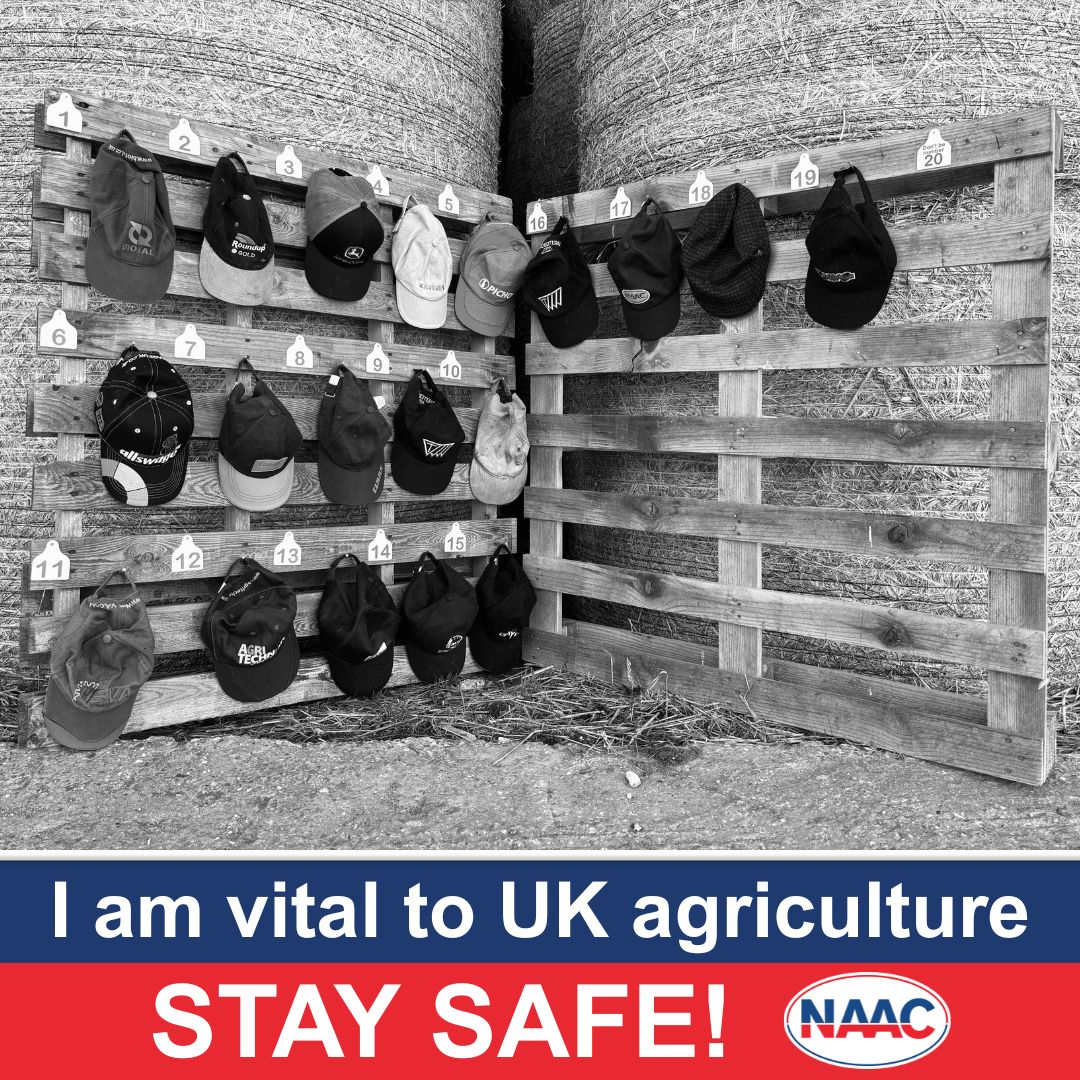
In response to 19 fatalities within farming since 1st April 2025, the National Association of Agricultural Contractors (NAAC) is releasing the following (attached) high-impact visual imagery as part of our existing safety campaign. We need press support to remind everyone that they are ‘Vital to UK agriculture’ and to ‘Stay Safe’. Please share and support this campaign to encourage everyone to talk about safety, think about safety and stop taking unnecessary risks.
Each cap in the images represents a life lost.
Our hearts go out to the families who have tragically lost loved ones in the past six months, and we need to prevent other families from experiencing such loss.
The display will be featured on the NAAC stand at the Midlands Machinery Show in November and again in January at LAMMA.

We need the entire sector to work together and remind each other that we are all vital to our family, friends and businesses. As tempting as a shortcut may seem at the time, safety mistakes generally come at great expense; emotional, financial and practical. If you are trying to save time or money, the only route is the safe route!
No-one goes out in the morning expecting an incident to happen, yet we go about farming thinking it won’t happen to us. But it happens to someone. 19 times since 1 April this year. Whilst we shouldn’t worry unduly about safety, we must build a culture where we talk about it, think about it constructively, discuss it with our teams and take practical, preventative action.
Most importantly, we must plan our operations carefully, mentally risk-assessing every element of the work and ensuring safe systems of work are put into practice. It’s about organising tasks, so they are carried out using appropriate equipment, whilst ensuring those carrying out tasks are trained and competent and understand how to carry out the job safely.
The NAAC asks that agricultural contractors, farmers and the wider industry come together to use the stickers as a visual reminder
anywhere that will prompt action to stay safe. This might be a reminder to wear a helmet when riding a quad bike, making sure PTO guards are always in place or switching off a machine before clearing a blockage. To obtain free stickers please see: https://www.naac.co.uk/naac-safety-campaign/ where you will also find information on how to further support this campaign.
05th September 2025
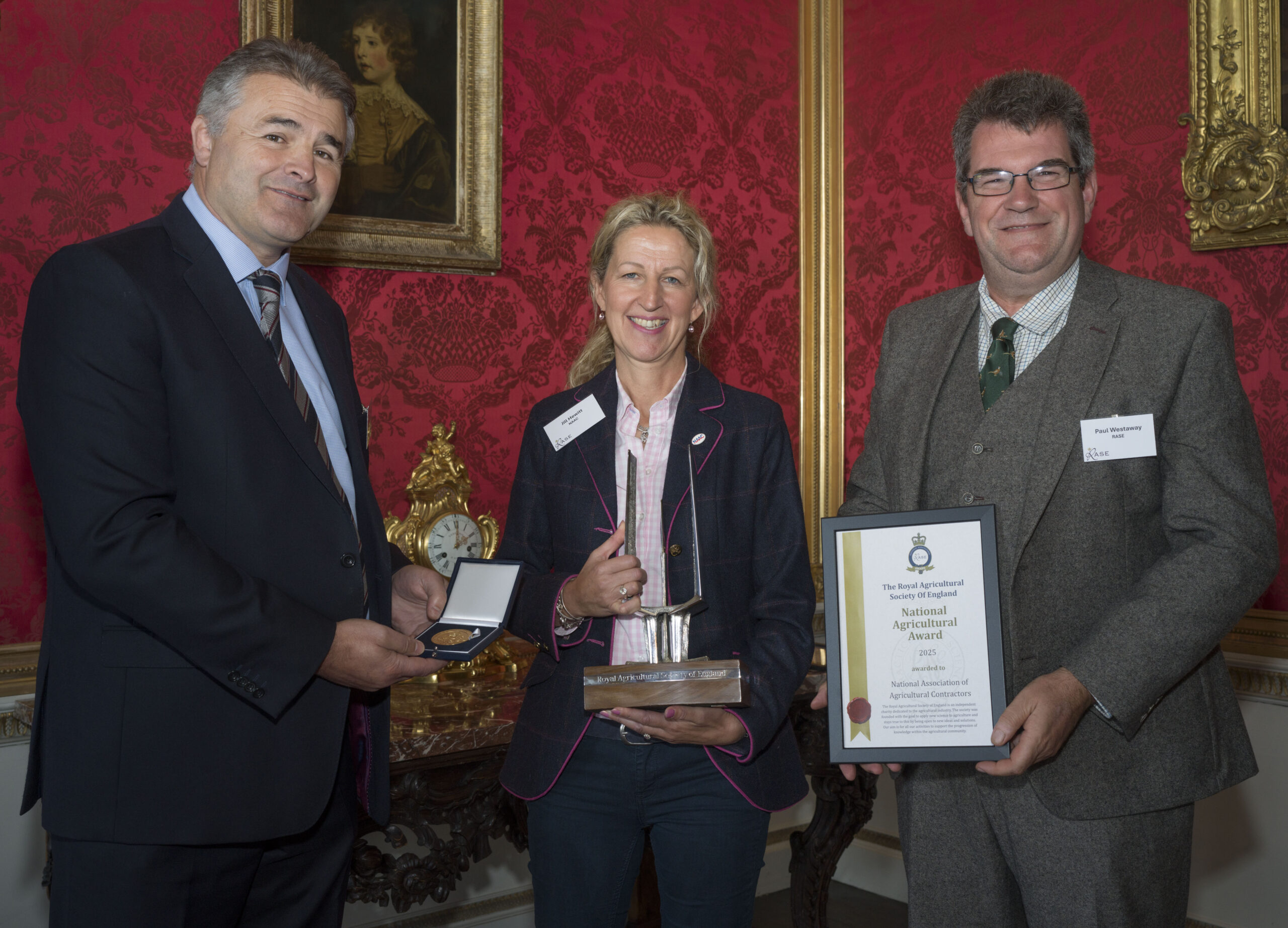
The NAAC is honoured to have been awarded one of the top honours in British agriculture, the RASE National Agricultural Award 2025. Sponsored by Savills, and presented at the RASE Awards ceremony at Ragley Estate, Warwickshire on 4th September, the Award celebrates individuals or organisations whose contributions have driven positive change in agriculture, reshaping the sector, whether through innovation, leadership, or a lifetime of dedication.
The NAAC is thrilled to receive this accolade for the work it has been doing over decades to represent agricultural contractors, highlighting the important role that this vital sector now plays in modern agriculture.
Commenting, Jill Hewitt, NAAC Chief Executive said, ‘This is a huge privilege for the NAAC to win this award, and the members and NAAC team are all rightly proud of this achievement. We are grateful to the RASE, as winning the National Agricultural Award gives the NAAC the highest-level recognition and helps us promote the excellent and vital role that professional agricultural contractors play in our industry.’
Since 1893, the NAAC has championed an often-overlooked part of farming – contractors, and the RASE recognised that the NAAC punches above its weight, delivering outsized impact. There have been major policy successes, including winning the right for contractors to use red diesel and delivering grants and funding for the sector. In addition, the NAAC helps members navigate finance, safety and business management, alongside technical and legal compliance, to ensure professional agricultural contractors can confidently partner with farmers to give them access to cutting edge innovation, whilst bringing skilled labour onto farms. Such collaboration can bring huge strides in productivity, with inputs being carefully managed and applied, soil being nurtured, and outputs being monitored for maximum efficiency, whilst still protecting the environment. The Award also recognised the NAAC’s widely recognised safety campaigns, helping to raise awareness of the dangers on UK farms.
The NAAC represents all land-based contractors starting underground with land drainage, through to cultivations, spraying, seed processing and harvesting. In addition, contractors often take the lead in nutrient management and environmental roles such as slurry spreading, habitat, forestry and grassland management. They also provide animal welfare services such as sheep shearing, dipping and the production of feed.
27th June 2025
New, free simplified sector-specific guidancehas been launched by the Energy Network Association, in partnership with the NAAC, NFU and Farm Safety Partnership : Look Out, Look Up! – Agriculture : Safety information for farmers and agricultural contractors working near overhead power lines. It covers key activities such as spraying, harvesting, hedge cutting, and tipping or loading operations—all of which pose high risk if carried out near OHPLs.
Emergency procedures, statutory clearances, use of GPS, and height measuring tools are also covered to ensure landowners, workers, and contractors can plan and work safely.

10th June 2025
29th May 2025
The National Association of Agricultural Contractors (NAAC) is delighted to report that, on the launch day of its safety campaign, initial sticker numbers were rapidly cleared out. As a result, sponsorship was immediately sought so that this important message could continue to be shared across the sector, with the simple campaign message, ‘I am vital to UK agriculture – Stay Safe!’. Virgin Money was the first generous main sponsor, allowing an immediate re-order of stickers to share across the industry and make available at the upcoming Cereals event.
Brian Richardson, UK Head of Agriculture at Virgin Money commented, ‘We are pleased to support this important safety campaign which gives a very visible prompt to our sector to take safety seriously. Farming is an occupation with a high level of health & safety hazards, and the contractors who carry out much of the higher risk work on farm today play an essential role not only in our agricultural economy but also in managing and mitigating the potential risks. This sticker campaign is a brilliantly simple and exceptionally effective way of reminding contractors operating in any hazardous situation how much we value them and their safety.’
Jill Hewitt, NAAC CEO, said, ‘The immediate and ongoing success of this campaign is a great start, but we need everyone to get on board and place the stickers in high-risk areas (such as on ladder rungs, on an ATV or on a PTO cover) to remind everyone to stay safe. Only if we see a real change in safety attitudes, with a corresponding reduction in fatalities and injuries can we claim real success.’
Virgin Money is now featured along with our other campaign sponsors on a new dedicated web page: www.naac.co.uk/naac-safety-campaign/ This is a new hub to order stickers, download the campaign plan, explainer flyer and find out more about sponsorship packages.
As professionals in the sector, it is only right that contractors spearhead this campaign as the NAAC provides its members with a comprehensive safety management pack and support, keeping safety firmly on the agenda. The NAAC reminds agricultural contractors, farmers and the wider industry to join in with the social media campaign, by posting photos of stickers in places that remind them to think twice and prompt action to stay safe. Stickers will also be available from the NAAC Stand (number 504) at Cereals event on 11-12 June 2025 or to obtain stickers please go to: http://www.naac.co.uk/naac-safety-campaign/
13th May 2025
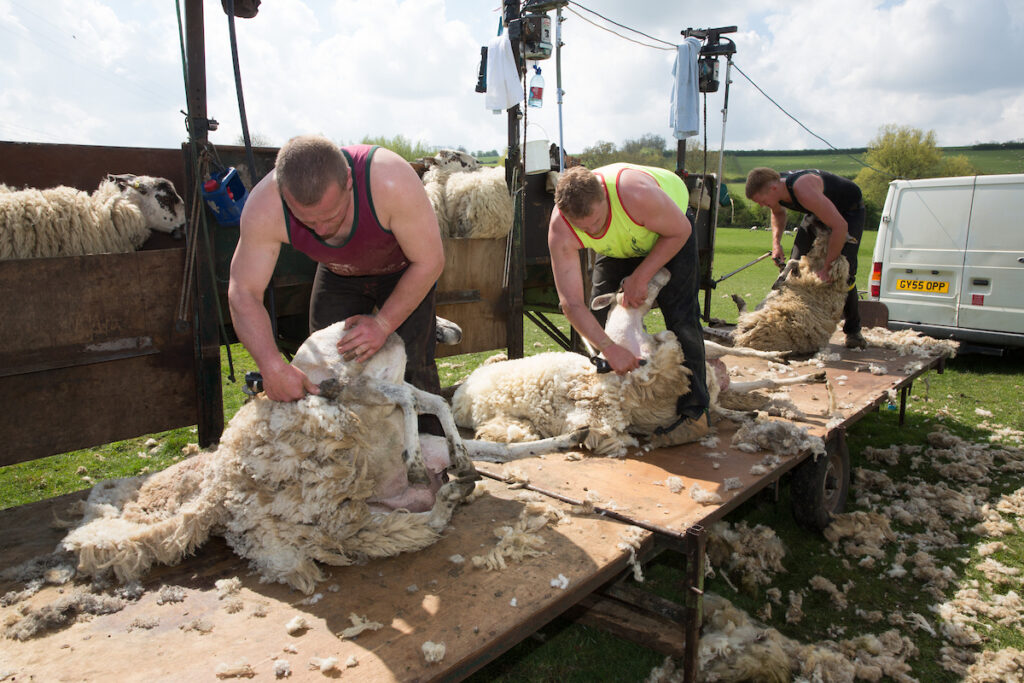
Minimising disease risks posed to your sheep and by your sheep at shearing is critical in maintaining flock health on farm and across the industry.
This is the joint message of farming bodies, including the National Association of Agricultural Contractors (NAAC) that have collaborated in updating best practice guidelines on shearing for this year’s shearing season.
Sheep farmers are being urged to understand that biosecurity at shearing time hinges on effective communication between different parties.
“There is a joint responsibility between farmers and shearers” says Nerys Wright, independent sheep consultant and technical adviser to SCOPS. “If your shearer doesn’t know that your flock has been affected by a contagious disease, such as scab, they may unknowingly spread it”.
The first step is to be honest with your shearer and tell them if you have scab or something else contagious, adds Nerys. “They might decide to shear your farm last or agree a disinfection plan before they leave”.
Other sheep, shearing equipment, clothing, shearing trailers, and shearers themselves can all present a disease risk unless steps are taken by farmers and shearing contractors to reduce risks and ensure cleanliness.
Farmers are also reminded that applying pour-on products too close to shearing can reduce their effectiveness and absorption and pose health risks to shearers and wool handlers. Recommendations should be followed to ensure safe and responsible handling and application relating to treatments on the wool and treatments to avoid unnecessary waste and potential adverse reactions.
Below are some key guidelines to ensure cleanliness and reduce the risk of disease spread during shearing:
1. Establish the flock health status before shearing starts and agree on what steps will be taken to safeguard health status and prevent disease spread. Foot rot, particularly contagious ovine digital dermatitis (CoDD), scab, lice, ticks, and caseous lymphadenitis (CLA) should be discussed.
2. Disinfect – Shearers should clean and disinfect combs and cutters, shearing trailers, and change clothes (including moccasins) after finishing with each flock. Farmers should assist shearers with cleaning and disinfecting procedures.
3. Reduce exposure – Shear younger, fitter sheep first, followed by older and less healthy sheep to reduce the risk of cross-infection.
4. Personal hygiene – Everyone handling sheep should wash hands frequently and clean and disinfect boots.
5. Clean and disinfect as you go – Sheep with obvious issues that could infect the handpiece, such as orf, scab, or lumps (which could be CLA), should prompt the shearer to stop, change/disinfect their comb and cutter and other items that may have been in contact. Wash hands where necessary.
NAAC Chief Executive Jill Hewitt highlighted, ‘It is vital that farmers and shearers work in partnership to ensure that high welfare standards are maintained and the health of the flock is protected. Teamwork is essential to ensure all necessary information is shared, safe facilities are provided, and sheep are presented, handled and shorn in tandem to minimise any risk of disease spread’.
Updated guidance
Detailed guidance on how farmers and shearers can share responsibility for animal welfare and avoiding disease spread can be found in the ‘Industry Guidance on Shearing’, which has been recently updated to reflect an increased focus on animal health.
By following these guidelines, farmers and shearing contractors can cooperate to significantly reduce the risk of disease spread and ensure a healthier flock during shearing season. Ends
For further information contact: Jill Hewitt, NAAC Chief Executive Tel: 07889 511245 email: jill.hewitt@naac.co.uk
Notes:
1. The updated shearing guidelines are a collaborative project involving British Wool, Farmers Union of Wales, the National Association of Agricultural Contractors (NAAC), National Farmers Union (NFU), NFU Cymru, NFU Scotland, and the National Sheep Association (NSA). 2. To find a professional NAAC contractor see: https://www.naac.co.uk/findacontractor/
3. The National Association of Agricultural Contractors (NAAC) is the only trade association to represent the interests of land-based contractors. NAAC recognises that contractors have become an integral and vital part of UK agriculture, with many farmers struggling to operate without them. Contractors are land managers, advisors and protectors of the countryside. They are providers of skilled labour (including shearers) and suppliers of high capital cost machinery and professional services.
28th April 2025
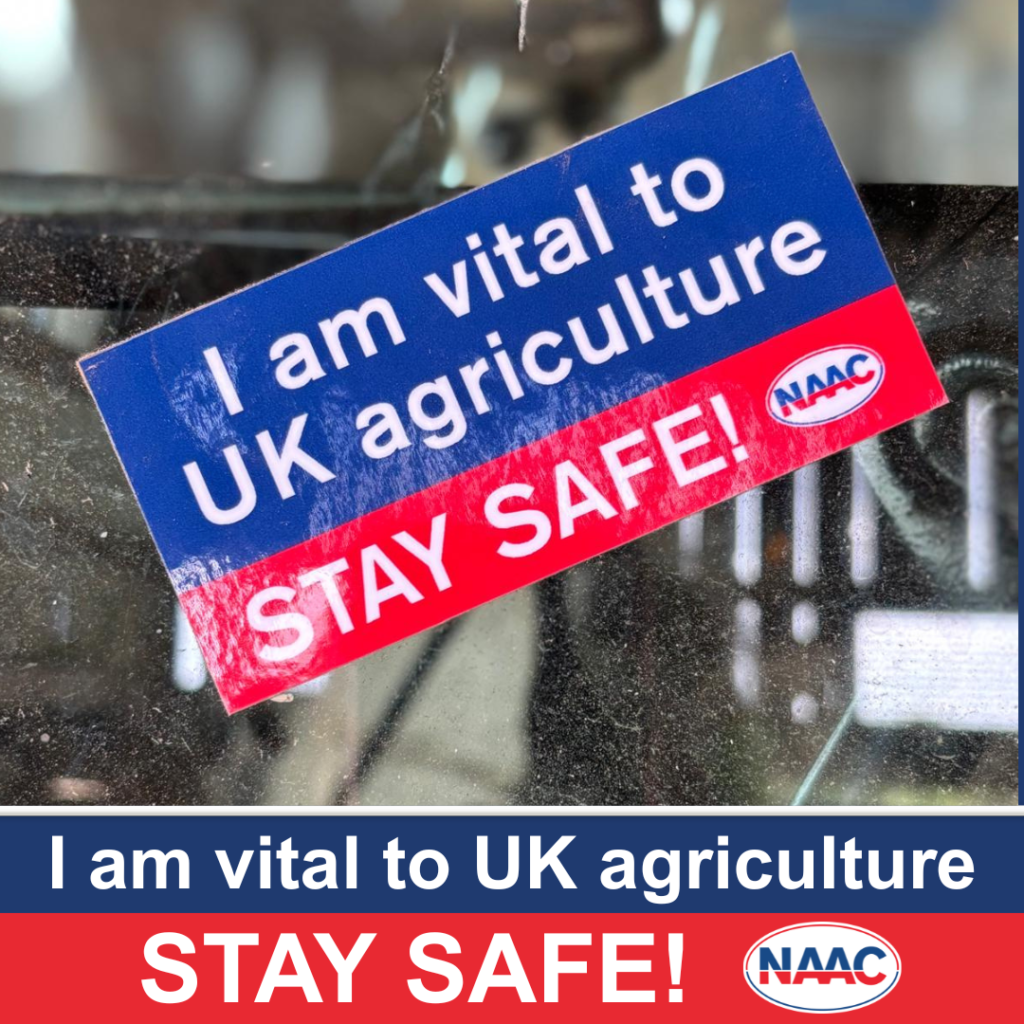
The National Association of Agricultural Contractors (NAAC) has produced new stickers aiming to visually remind everyone to stay safe with a simple message, ‘I am vital to UK Agriculture – Stay Safe’.
The NAAC is asking its contractor members and the wider farming community to join forces and remind each other that we are all vital by placing stickers in prominent places. The sticker campaign is aiming to prompt more thinking about safety and remind everyone to act, whether that is always wearing a helmet when riding a quad bike, making sure PTO guards are always in place or perhaps switching off a machine before clearing a blockage.
Commenting Jill Hewitt, NAAC CEO said, ‘It is all too easy when under pressure to think that health and safety is all about paperwork and hassle. However, the number of fatal and serious incidents in farming continues to remain stubbornly high and the NAAC wants to visually remind everyone to protect themselves and colleagues. We urge everyone to use these stickers as a heads up to take that extra time to make sure a job is done safely and get everyone home to their families at the end of the day.’
22nd April 2025
11th April 2025
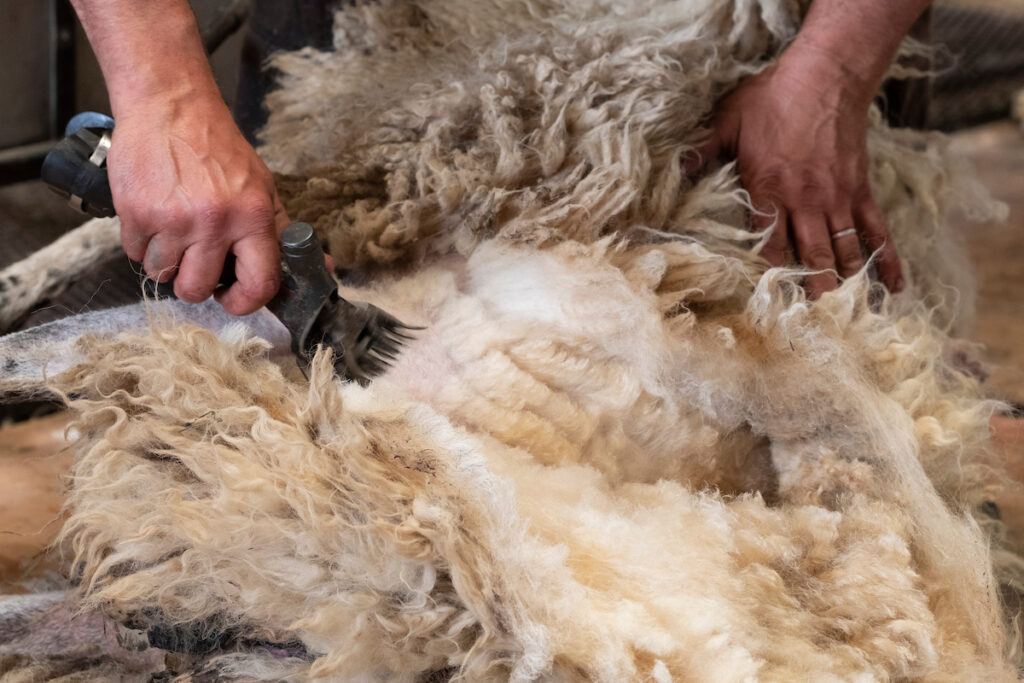
Since 2011, the NAAC has worked closely with the Home Office to successfully manage a special concession for highly skilled, overseas shearers to come to the UK to assist in shearing the UK flock.
The scheme has meant that the UK has been able to welcome non-visa nationals from overseas (particularly New Zealand and Australia) to come for a short, limited period to ensure that sheep are shorn on time, thus protecting their welfare.
Commenting Jill Hewitt, NAAC Chief Executive said, “Sheep shearing is a skilled and physical profession and, whilst we have an excellent resource of UK shearers, NAAC contractors still rely on an input of overseas shearers to carry out an estimated 20% of UK shearing.
This vital scheme is well-managed to ensure that professional overseas shearers can enter the UK, for a limited period, to help get the 15million sheep shorn to high standards of animal welfare.’
Adult sheep should be shorn at least once every year to help reduce the risk of external parasites and to avoid heat stress. In the main, shearing is carried out to improve animal welfare rather than for the value of the wool. Industry guidance is available.
15th January 2025
The weather, political uncertainty and increasing costs continue to put the farming industry under increasing pressure, and recent surveys highlight that farmers continue to suffer poor mental health with low business confidence plaguing our sector.
Commenting Keith Knowles, Crown Estate said, ‘Agriculture, with its concerning statistics of serious incidents and mental health challenges, is an industry that we should take every opportunity to support in driving initiatives that embed safety and mental health as a core priority in the agricultural sector. We have a great opportunity to do this through listening to and working with our farming families, along with using our broader convening power, to promote awareness, to signpost to those organisations that can provide support and to thrive to build a resilient and healthier farming community for future generations.’
Jill Hewitt, NAAC Chief Executive added, ‘Agricultural contractors can be under extreme pressure themselves but may also take on the concerns of their customers. Talking is a great healer and its fantastic if the industry can share its worries, but we also need to be certain that everyone is properly supported with help signposted.’
The new Charter (below) is being launched at LAMMA and the Alliance is asking rural landowners, farming families, mental health organisations, agricultural contractors, agricultural advisors and all those that cross the farm gate to join in working together to create positive change for the future of farming.
The Alliance founding organisations are delighted to be working with the support of Professor David Rose, Elizabeth Creak Chair in Sustainable Agricultural Change and his team at Harper Adams University. They have developed a survey that has been sent out to agronomists, land agents and contractors who all visit farms. Professor David Rose, said, ‘The academic research shows the importance of expanding the safety-net of support available to the farming community. Our initial findings are showing that land agents, agronomists, and contractors (amongst others) are being confided in by farmers and these advisors would like more support. Equipping these ‘accidental counsellors’ with the knowledge, confidence, and support to look after their own mental wellbeing, as well as to spot signs of stress in farmers and signpost them towards sources of help, is vitally important.’
Petra Martin, Agrii Group Head of Health & Safety, IOSH Rural Industries Group Vice-Chair describes the experience within Agrii. ‘Our agronomists and advisors directly experience the impacts that the challenges in farming have on our customers, as well as on them individually. This alliance will spotlight all the great support available in the agricultural industry, improving awareness and facilitating access to essential services. There is strength in aligning with others to increase the volume of our individual voices; together, we can help drive change.’
The opportunity to bring expertise together and through collaboration and partnership have tangible impact is what brought Mates in Mind into the Alliance. Sam Downie, MD Mates in Mind felt the charity’s resources and experience could support progress being made quickly and with investment targeted at enhancing materials and refining effective interventions, rather than reinventing.
Georgina Lamb from the Farming Community Network shares Sam’s commitment to collaboration between charities, summarising by saying: ‘FCN are delighted to be part of the alliance and fully support the mission. The staff and volunteers at the charity fully understand the challenges our industry face so tackling the stigma of mental health and normalising those difficult conversations we all sometimes face can only be a positive way of ensuring a healthy and sustainable farming community.’
The Alliance will officially launch at 2pm on 15 January in the FG Live Presentation Area https://www.lammashow.com/lamma-2025-programme/agri-mind-alliance-improve-mental-health-wellbeing-agriculture. You can download the press release and charter here.
Our Vision
A farming sector where mental health and wellbeing are prioritised, supported, and openly discussed.
Our Mission
To collaborate with rural landowners, farming families, mental health organisations, agricultural contractors, agricultural advisors and all those that could cross the farm gate to raise awareness, reduce stigma and promote access to essential mental health support services.
Our Commitment
Support Mental Health: Equip farming families and those working in the agricultural industry with tools and resources to prioritise their wellbeing.
Raise Awareness: Use our convening power to foster open conversations and reduce stigma around mental health.
Promote Collaboration: Work with farming families, rural landowners, mental health organisations, agricultural contractors, agricultural advisors and all those working in the agricultural industry, to signpost to those organisations that can provide support.
Drive Change: Drive initiatives that embed mental health as a core priority in the agricultural sector. For further information contact:
Together, we can build a resilient, thriving, and healthier farming community for future generations.

09th January 2025
10th October 2024
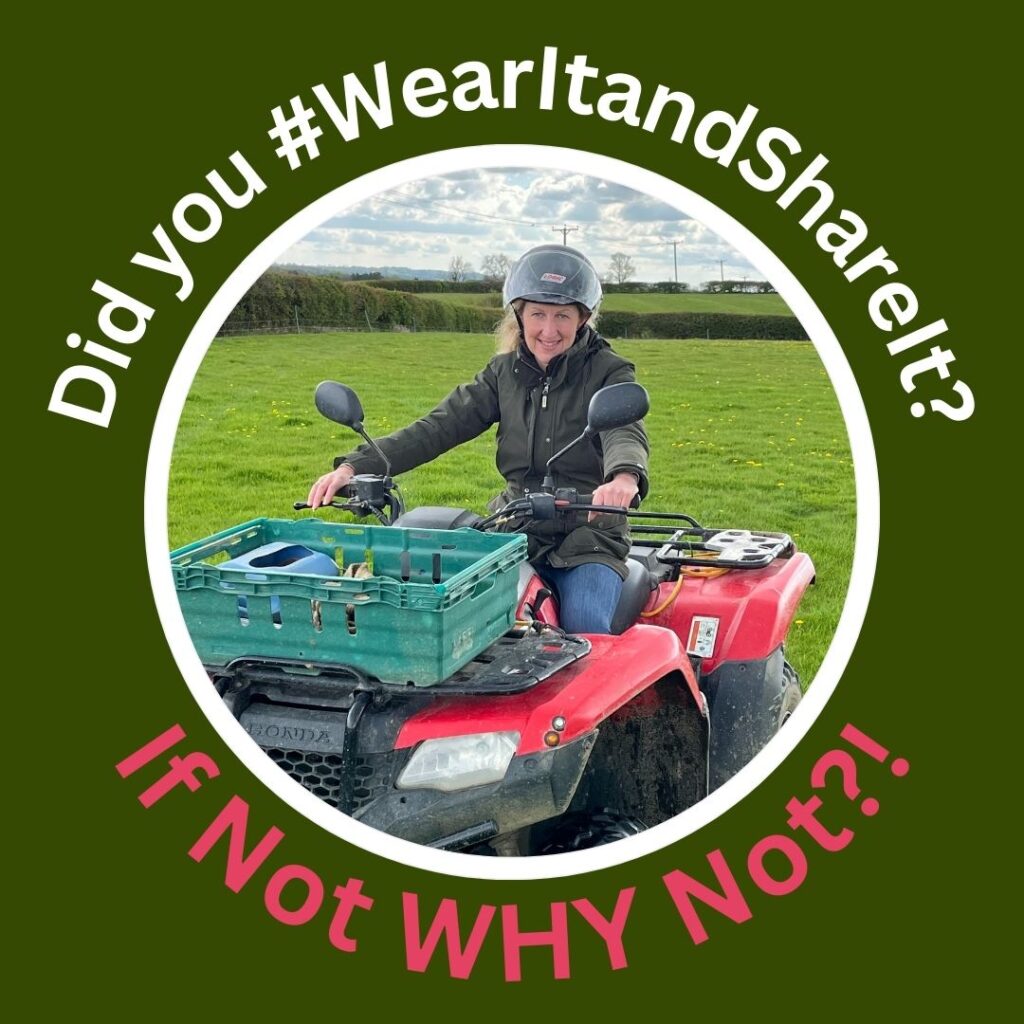
Commenting Jill Hewitt, NAAC Chief Executive said, “We have seen an increase in quad bike deaths this year and it baffles me how our industry still considers this is a risk worth taking. Whether on flat or sloping land, incidents can always happen, and we need to be clear that it is a legal requirement to wear a helmet at work. More important though, if you wear a helmet, you are more likely to survive if you come off.”

22nd August 2024
· Isuzu UK has partnered with the National Association of Agricultural Contractors (NAAC) to support and enhance the professionalism of agricultural contractors across the UK.
· Isuzu provides robust vehicles, which meet the demanding needs of agricultural contractors represented by the NAAC.
· Both organisations emphasise reliability, trust, and efficiency.
Isuzu UK is proud to announce its strategic partnership with the National Association of Agricultural Contractors (NAAC). This collaboration unites two organisations committed to professionalism and excellence in the agricultural sector as seen in the NAAC’s motto, ‘It pays to be professional.’
Known as the Pick-Up Professionals, Isuzu provides rugged, reliable, and efficient vehicles designed for those who demand the best from their tools, while the NAAC represents the backbone of the UK’s agricultural industry — contractors who deliver essential services to farmers across the nation.
Isuzu’s partnership with NAAC marks a significant step forward in supporting the agricultural contractors who keep the UK’s farming sector productive and sustainable. The NAAC, established in 1893, has a long history of advocating for agricultural contractors, ensuring they have the tools, information, and representation needed to thrive. By joining forces, Isuzu and the NAAC are set to drive professionalism and innovation in the agricultural sector.
Jill Hewitt, Chief Executive of the NAAC, commented on the partnership: “This collaboration between the NAAC and Isuzu is a natural fit. Our members, who are professional agricultural contractors, need vehicles that are as dependable and hardworking as they are. The Isuzu D-Max, with its robust capabilities, safety features, and comfort, meets these demands perfectly. We are excited about the future opportunities this partnership will bring, ensuring our members have access to the best tools to keep their businesses efficient and successful.”
George Wallis, Head of Marketing at Isuzu UK, added: “We are delighted to partner with the NAAC, an organisation that shares our commitment to professionalism and excellence. The NAAC’s dedication to representing the interests of agricultural contractors aligns perfectly with our mission to provide top-quality pick-ups that professionals can rely on. Together, we are setting the standard for reliability, trust, and efficiency in the agricultural sector.”
This partnership comes at a time when the agricultural sector faces numerous challenges, including changing weather patterns, the need for skilled labour, and the drive towards sustainability. In recognition of this, Isuzu are set to offer members an NAAC fleet discount when purchasing multiple D-Max pick-ups.
The collaboration between Isuzu and the NAAC is designed to address these challenges head-on by providing contractors with vehicles that are not only reliable but also innovative, with the forthcoming launch of Isuzu’s first fully capable electric pick-up truck.
The National Association of Agricultural Contractors (NAAC) is the leading trade association representing agricultural contractors across the UK. Established in 1893, the NAAC has been at the forefront of supporting contractors, who play a crucial role in the agricultural industry by providing services that include crop cultivation, harvesting, livestock management, land drainage, and more. The NAAC advocates for its members at the government level, offering technical guidance, information, and a platform for innovation, ensuring that agricultural contractors can continue to deliver high-quality services to farmers and land managers. Click the link to learn more about the NAAC and Isuzu on farm.
25th July 2024
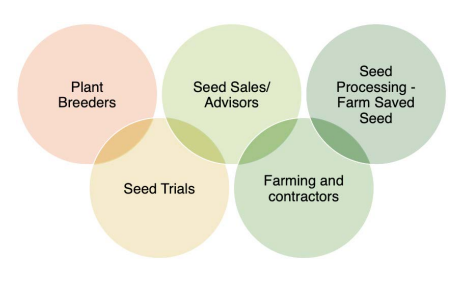
The National Association of Agricultural Contractors (NAAC) and British Society of Plant Breeders (BSPB) have launched a new initiative to encourage new entrants into the seed industry and agricultural contracting.
Working in partnership, the organisations have drawn up careers information (attached) to give new entrants a starting point where to look for opportunities from plant breeding, to seed processing.
Commenting Jill Hewitt, NAAC Chief Executive said, “The seed industry is often overlooked, but seed production, planting and processing are key elements of food production and there are numerous rewarding opportunities from seasonal work to longer-term career prospects. We have provided several case studies from enthusiastic members of the industry, to showcase just a few of the roles that are available. We are looking for a range of staff from research through to machine operators and we would encourage anyone interested in shaping the next generation of food to get in touch!’ Download your copy of the careers flyer here.

09th July 2024
The National Association of Agricultural Contractors (NAAC) is launching a new safety campaign in collaboration with Nestlé and the Farm Safety Partnership. The agriculture safety campaign ‘Have a Break – Tiredness Kills’ is designed to raise awareness of tiredness and the dangers it represents to the agricultural industry. We are excited about the prospect of something different and novel to grab the attention of contractors and farmers – to encourage them to HAVE A BREAK. The campaign will be launched on social media on Monday 15th July 2024.
The Agriculture Sector has retained the worst safety record in any industry with the most deaths per 100,000, with the annual average injury rate over the last five years around 21 times as high as the all-industry rate. It has been almost impossible to change these statistics in recent years, despite numerous industry and HSE campaigns. Statistics appear to show a trend that after very busy periods, such as harvest, fatalities spike. This makes sense as research shows that driver fatigue may be a contributory factor in up to 20% of road accidents, and up to one-quarter of fatal and serious accidents.
Fatigue results in slower reactions, reduced ability to process information, memory lapses, absent-mindedness, decreased awareness, lack of attention, underestimation of risk, reduced coordination etc. Fatigue can lead to errors and accidents, ill health and injury, and reduced productivity.
Working extended hours is almost a badge of honour in farming and contracting. However, the industry is under regular pressure, by the UK weather and a declining workforce, to work long hours to keep the nation fed. Livestock and crops need constant care and it can be difficult for operators to see an opportunity to HAVE A BREAK.
The NAAC wants to use this campaign to draw attention to the issues of tiredness, create a movement, raise awareness and make 2024 a safer year for agriculture, by encouraging workers to take a well-earned break when needed.
On Monday 15th July 2024, the campaign partners, in collaboration with Nestlé, will launch ‘Have a Break, Tiredness Kills’ to remind farmers and contractors of the risks associated with working when tired. The campaign will include a significant burst of communications across Facebook, X (Twitter), Instagram, Linked In, and TikTok to encourage everyone in the industry to share content across all media channels to reach farmers and contractors of all ages. Please play your part in helping to make a difference and SAVE LIVES by sharing campaign posts and tagging your colleagues and your friends.

18th June 2024
The National Association of Agricultural Contractors (NAAC) has launched new Terms and Conditions for members, in conjunction with Chattertons Solicitors.
The aim is to give farmers and contractors confidence in the contracting agreement, and to provide both parties with details of operational and payment terms.
Commenting, NAAC CEO Jill Hewitt said, ‘We appreciate that this is a new concept for many contractors and farmers, where all business has been conducted verbally. However, there are very few service industries that you don’t have to agree to terms and conditions before proceeding. This will just put those verbal agreements on a more professional footing.’
The terms have been written by NAAC solicitors, Chattertons, and need to be used in conjunction with an NAAC member’s work specification sheet (front sheet). This includes details of the operation, price and terms of payment.
A customer can expect that this front sheet will be completed for each job and sent across to them for signature before work commences.
Anna Horrell, Head of Corporate and Partner at Chattertons added, ‘Verbal agreements can be legally enforceable so it is important to have written terms and conditions to let your customers know what they can expect from your business and to help protect you from unexpected situations which could arise. If your terms are unclear this can cause miscommunication and lead to disappointed expectations and issues your customers.’
The terms are not compulsory for use by NAAC members. The full terms and conditions can be viewed here.

13th May 2024
Farmers are invited to come along to the National Association of Agricultural Contractor’s (NAAC) Land Drainage Hub to sort out their wet patch(es) at the Cereals event on 11-12 June 2024!
Conversations will be taking place both days at 10.30am and 1.30pm on the NAAC’s Land Drainage Hub, to try and help resolve some of the unanswered questions on land drainage.
The ‘Conversation about Drainage’ will be taking place alongside the NAAC Drainage Hub, made up of company stands expert in land drainage. There will be a demonstration area, hosting a drainage trencher and plow and the audience will get to learn how the machines differ and operate, alongside discussion on the importance of drainage.
Commenting, Rob Burtonshaw, Farm Servicers Ltd and NAAC Land Drainage Chair said, ‘We will be challenging the devastating impacts of climate change by looking how to offset increases in rainfall with appropriate water management systems. The past year has highlighted the vital importance of well drained land, and we have all seen the impact on improved trafficability, crop growth and yields.’
Speaking will be contractors Rob Burtonshaw, Farm Services, and George Firth, Lincolnshire Drainage, with farmer Will Oliver reviewing the impact of drainage on his land on the Leicestershire/Warwickshire border.
The team will aim to answer questions including:
• Why bother with drainage
• How will it help soil structure and management
• DIY or get a contractor in
• Costs and how long will it take to pay back in yield and benefits
• Where to start to get a scheme in the ground
• Do we need extra Government funding?
Jill Hewitt, NAAC CEO added, ‘The benefits of drainage are proven, but the main obstacle is the investment cost. However, drainage is the building block of all soil management, and we will be calling on Government to review how to incentivise drainage to benefit productivity, flood protection and profitability on farm.’
This will be essential information for anyone considering if drainage could improve the land on their farm. Come and join the debate!
The Drainage Conversation will take place at the NAAC Land Drainage Hub at 10.30am and 1.30pm. More info on the NAAC Land Drainage Hub here on the Cereals Website.

25th April 2024
The National Association of Agricultural Contractors (NAAC) has today launched a new manifesto to ensure that the importance of contractors is recognised in agricultural policy across the UK.
Over 91% of farms use a contractor and many farmers are now reliant on their services. Three key asks have been identified including:
Jill Hewitt, NAAC Chief Executive commented, ‘In the run up to an election it is important to reflect on the vital input of our sector – as contractors may be ‘farmers without land’ but they are leading a new era of professional land managers and need to be recognised in all relevant policy development. This is especially important as our sector, like farmers, continue to suffer due to the wet winter and spring’.
The manifesto considers a number of additional issues which are also impacting on the industry, including requests:
arming.
The safety and mental health of our sector is supported by Government, with awareness of the pressures faced in agriculture.
It is critical to the future of our soils to provide pump-prime funding for land drainage and encourage farmers to make this a priority. Drainage is the building block of all soil management and without well-drained soil, management techniques such as regenerative farming and direct drilling will struggle to be successful on some soil types.
The full manifesto can be viewed here.
08th March 2024
The National Association of Agricultural Contractors (NAAC) has released its latest survey of contracting prices and overall results highlight that some price rises are inevitable again this spring. The new prices survey for 2024 can be found here.
There is a general upwards trend in prices this year, although this varies across operations and, due to the nature of surveys, some prices have increased substantially whilst other have barely shifted.
The UK inflation rate has hovered around 5% in recent months, whilst we have seen fuel prices fall from £1.00/litre in last year’s survey, to £0.85/litre this year. However, at the same time machinery, labour and insurance costs have all increased significantly, which will more than offset any fuel reduction. This year the drilling category has increased by 3.46%, which is in line with the 3.5% increase seen in 2023.
Commenting Matt Redman, NAAC Chairman said, ‘This is already a difficult and frustrating year for the whole industry, with high rainfalls and sodden ground frustrating efforts to get crops in the ground. However, all contractors must continue to review their price structures and keep steadfast on payment terms to ensure that businesses are able to continue to supply farmers with reliable, professional contracting services.’
NAAC Members are encouraged to calculate their individual costs using the NAAC’s costing tool to ensure that quotes are accurate and sustainable. As machinery expenditure continues to climb, it is vital that prices are carefully calculated to ensure businesses can keep pace with depreciation and replacement costs.
Jill Hewitt, NAAC CEO added, ‘The survey has highlighted again how individual charges vary widely across the UK, with businesses reaching different conclusions on rates needed to offer a professional service. However, the NAAC holds firm that contractors generally take significant financial risk, and their prices need to reflect costs, allowing contractors to remain profitable and sustainable, supporting their customer base.’
Download your copy: Contracting Prices Guide – NAAC Membership
13th March 2024
The National Association of Agricultural Contractors (NAAC) is delighted to announce that international sheep shearers have a special concession to be able to enter the UK in 2024, meaning that we can again access this vital source of professional and experienced staff to assist UK contractors during the shearing season.
Since 2011, the NAAC has worked closely with the Home Office to successfully manage a special concession for highly skilled, overseas shearers to come to the UK to assist in shearing the UK flock.
The scheme has meant that the UK has been able to encourage non-visa national shearers from overseas (particularly New Zealand and Australia) to come for a short, limited period to ensure that sheep are shorn on time, thus protecting their welfare.
Commenting Jill Hewitt, NAAC Chief Executive said, “This is a well-managed scheme, which gives our UK shearing team a boost at a critical time with international shearers coming in with experience and competence to take on a job that is highly skilled.
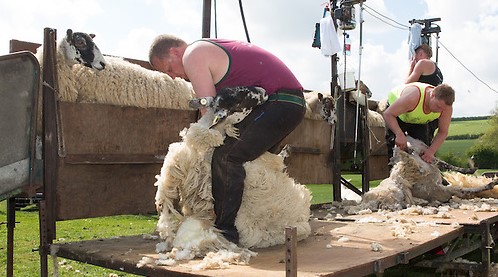
Sheep shearing is a very specialist and physical occupation that simply can’t just be picked up by anyone. It should only be carried out by professionals who have been trained to shear carefully and sympathetically to ensure that sheep are handled appropriately to avoid stress and injury during the shearing process.’
Adult sheep should be shorn at least once every year to help reduce the risk of external parasites and to avoid heat stress. In the main, shearing is carried out to improve animal welfare rather than for the value of the wool. Industry guidance is available
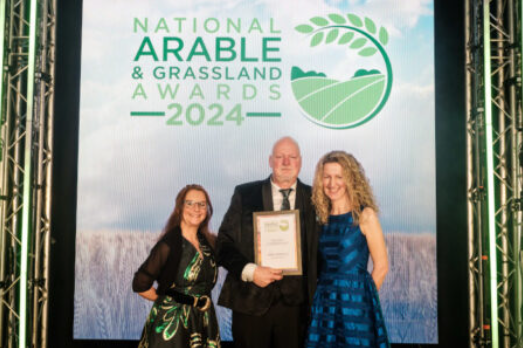
12th February 2024
A special award of recognition was given to NAAC chairman and contractor James Bannister at the National Arable and Grassland Awards. Chief executive of the NAAC, Jill Hewett, explained that James had continued to work tirelessly within the industry despite suffering a life-changing injury.
His work both as a contractor and as an advocate for health and safety within the industry was highlighted at the event and James uses his story as both a warning of the dangers within agriculture and proof that an injury does not have to stop you from doing what you love. Full story. Speech copy.

2nd January 2024
The National Association of Agricultural Contractors (NAAC) will host specialist land drainage training at Harper Adams on 30 January 2024 (with an extra date on 31 January if there is demand).
With the relentless rain and sodden ground, this is an opportune time for land managers to be thinking about drainage and this course is aimed at all those practically involved in agricultural or sports drainage, or those wishing to gain a greater understanding of land drainage.
Land drainage is the building block of productive, sustainable farming. It is also a vital element in many sporting events to ensure pitches and grounds remain playable in adverse weather.
Greater fluctuations in rainfall need to be managed to avoid both flooding and drought, and it is vital that we understand the movement of water and the dynamics of land drainage to ensure the land can store and utilise water to maximum effect for sustainable land management.
Installation of land drainage requires significant capital investment, and it is important that systems are installed by trained operators who understand the principles of water movement and the technology involved to ensure land managers gain maximum benefit.
The course will be presented by highly respected land drainage experts including:
To book and for more information please email: admin@naac.co.uk with name, details of trainees, and any special dietary requirements, or see https://www.naac.co.uk/events-and-training/
21 August 2023
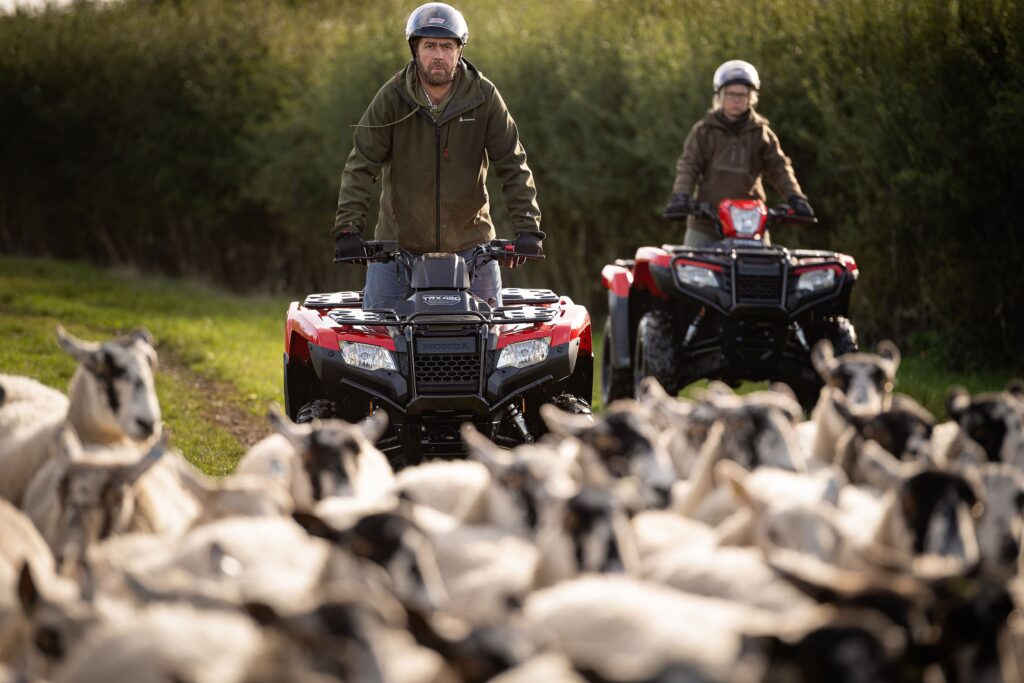
A free helmet will be given to all new ATV owners by the UK’s biggest Honda motorcycle dealer and a supplier of ATVs, Doble Motorcycles, in support of the National Association of Agricultural Contractor’s (NAAC) #WearItandShareItcampaign to get everyone to ride safer and wear a helmet.
The NAAC has raised the question of why anyone would choose to ride or deliberately send a worker or family member out on a job with a sit-astride ATV, with no helmet, knowing there is a real and proven risk of loss of life, which could easily be reduced by using a helmet.
Commenting, Jill Hewitt, NAAC Chief Executive, said, ‘We are delighted that Doble Motorcycles has taken the initiative to make everyone safer. In the last five years, ATVs were involved in 14 deaths in agriculture- the most significant cause of deaths involving moving vehicles in our industry. There is a need to take positive action to help prevent such incidents, and Dobles is being proactive to try and save lives.’
We need a shift in attitude to ensure that every time anyone gets on a sit-astride ATV, they automatically put a helmet on. Doble’s action will help remove any excuses.
Philip Stewart, Doble Motorcycles said, ‘We are honoured to unite with the NAAC’s #WearItandShareIt initiative, advocating for riders to wear helmets while riding ATVs. Honda ATVs represent a small part of the backbone of the agricultural sector, playing a pivotal role in day-to-day operations. However, the true heartbeat of the industry is the individuals who are riding the machines and we want them to be safe while carrying out their vital work. We encourage every rider to make sure they are fully trained in how to operate these fantastic machines, and furthermore we are delighted to offer a high-quality helmet with every purchase of a new Honda ATV. Both the ATV and helmet can be delivered nationwide and we hope that anyone interested in this offer or Honda ATVs in general, will get in touch through our website, social media channels or come directly to us in Coulsdon, Surrey.’
Of course, simply wearing a helmet will not keep everyone fully protected and it is vitally important to ensure that anyone riding an ATV is competent and trained to handle the machine. Training is crucial because it covers essential active riding techniques necessary for the safe operation of the ATV.

26 July 2023
The National Association of Agricultural Contractors (NAAC) and Rural Contractors New Zealand Inc (RCNZ) have launched a new partnership to try and help solve the labour shortage gap for contractors.
Commenting, Jill Hewitt, NAAC CEO said, ‘The industry is having real problems in sourcing professional, experienced labour particularly in seasonal peaks. To try and assist, the NAAC and RCNZ are working in partnership to assist our members in exchanging labour. This is a fantastic opportunity for our team members to gain experience, see the world and keep busy year-round, also taking the pressure off our contracting members retaining staff through the winter.’
Border entry is now back to some normality since covid, and it should be possible for staff to work year-round across the world. The UK welcomes NZ workers through the Youth Mobility Scheme (if aged 18 to 35 from NZ) to gain a working visa for up to 24 months. In addition, there is also a skilled worker option, sponsored by a UK employer. The NZ government provides UK citizens a holiday working visa for up to 35s who have not been to NZ before and an employer sponsored visa option for skilled workers who have been before.
‘Covid and closed borders severed a lot of the international ties our members had to contacts in the UK and whilst there are some of the bigger players who can sort experienced labour, the vast majority are a bit stuck on connecting to the UK labour market and this is where the trade bodies can help out,’ says Andrew Olsen RCNZ CEO. With the season in NZ just around the corner there is an opportunity to get a visa and start work in October. UK nationals can then return to the UK ready for our spring work.
The process, exclusive to members and their workers is simple.
1. Check the contractor is a member of RCNZ or NAAC.
2. UK workers can email CVs to office@ruralcontractors.org.nz. RCNZ members will receive the CVs and make direct contact with workers to discuss potential employment.
3. NZ workers can email CVs to members@naac.co.uk NAAC members will be sent the CV’s and can make direct contact with workers to discuss potential employment and verify credentials.
It should be noted that neither the NAAC or RCNZ can verify the status or professionalism of exchange workers and this will be down to individual employees.
09 June 2023
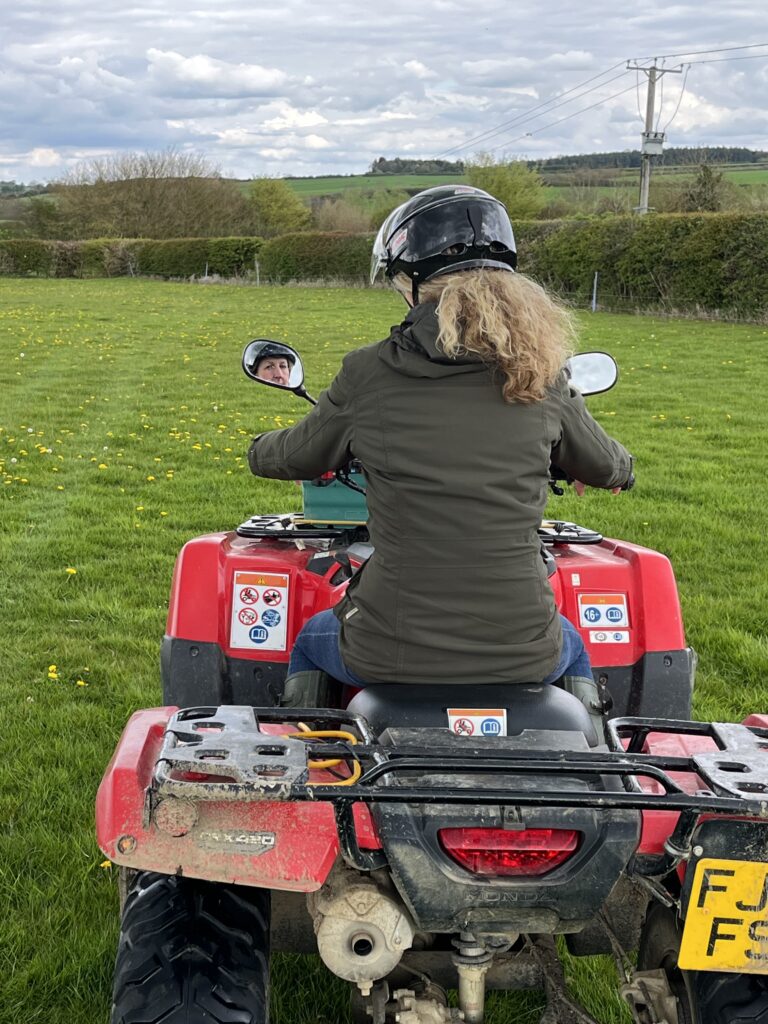
The National Association of Agricultural Contractors (NAAC) team is inviting farmers and contractors to visit its stand in the Land Drainage hub at Cereals to help spread the message on the importance of wearing an ATV helmet.
With the support of Can-Am and Logic helmets, the NAAC will have a quad bike on its stand and visitors will be invited to take a seat, wear a helmet and get their photo taken to share, using the hashtag #WearItandShareIt.
Jill Hewitt, NAAC Chief Executive commented, ‘The question is, why wouldn’t you wear a helmet. There have been 14 deaths in agriculture involving ATVs in the last five years, many caused by the lack of a helmet. We need a shift in attitude to ensure that every time anyone gets on a sit-astride ATV they automatically put on a helmet.’
This is a serious issue but, at Cereals, the NAAC will be bringing the message home with a bit of fun too – though no-one will be allowed to sit on the Can-Am quad without their Logic helmet!
Visit NAAC stand 511 in the Land Drainage Hub to find out more about ATV safety (and perhaps get your photo taken #WearItandShareIt).
Please support our #WearItandShareIt campaign on social media to help raise awareness and save lives. Be proud to wear a helmet, it could save your life.
01 June 2023
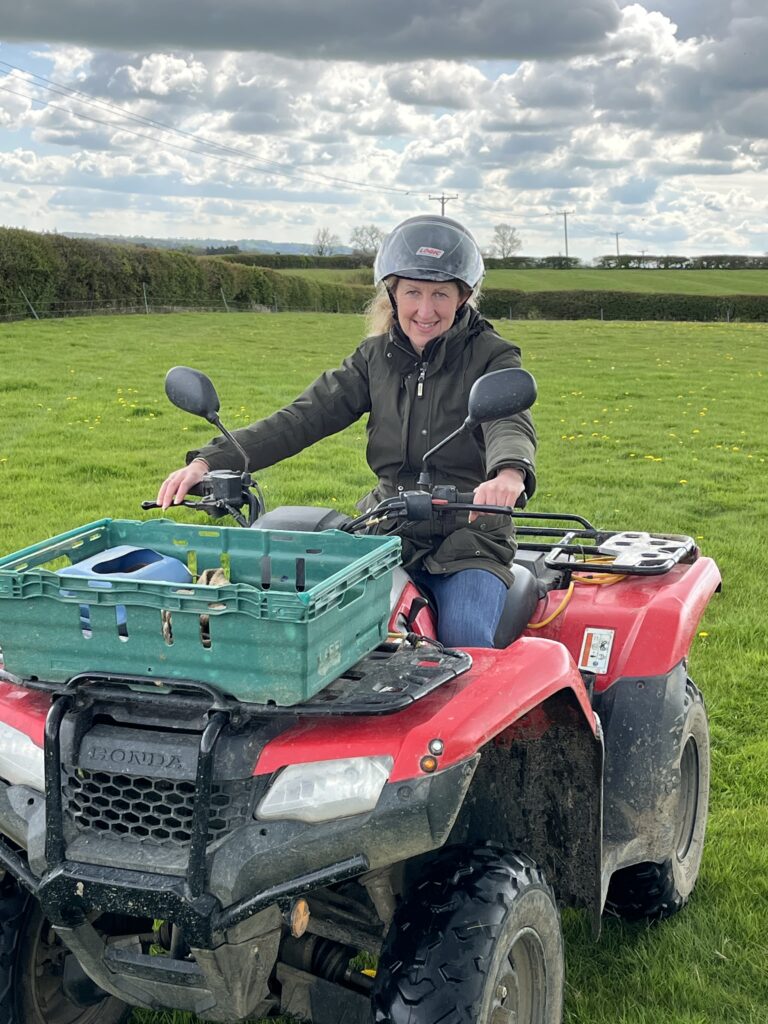
The National Association of Agricultural Contractors (NAAC) is launching a social media campaign on ATV safety to impress the importance of wearing a helmet. Farmers and contractors are being invited to share photos of themselves wearing a helmet with the hashtag #WearItandShareIt.
The aim is to make all operators ask why anyone would put themselves, or their staff, at risk (and break the law) by not wearing a helmet on a sit-astride ATV.
Shockingly, in the last five years, ATVs were involved in 15 deaths in agriculture – the most significant cause of deaths involving moving vehicles in our industry. That’s fifteen families destroyed. Many, other serious and life-changing incidents are happening all the time. Yet there is still resistance to wearing a helmet.
The NAAC is raising the question of why anyone would choose to ride, or deliberately send an employee or family member out on a job with a sit-astride ATV, with no helmet, knowing there is a real and proven risk of loss of life, which could easily be reduced by using a helmet.
Commenting Jill Hewitt, NAAC Chief Executive said, “Operators should take pride in wearing a helmet to protect their safety and help minimise the risk of the worst possible news being delivered to their family if an accident occurs. None of us are infallible and the NAAC wants the industry to get behind us by sharing photos of themselves wearing a helmet under #WearItandShareIt.”
Continuing Jill said, “It is a legal requirement to wear a helmet at work and if you leave it behind, you are more likely to suffer a serious head injury, or worse, if you come off. The NAAC is working with Logic helmets to provide a discount to members, removing any final excuses why a helmet would not be worn.”
HSE has confirmed if there is an incident and someone was not wearing a helmet, this will almost certainly be central to any investigation and could result in enforcement action and possible prosecution. Similarly, if an inspector sees someone working without a helmet, they will stop the activity and start asking serious questions.
Wearing a helmet applies to the farmer, self-employed workers, employees and any other person using the farm quad. This includes children or farm visitors. Note too, that most farm quads are only suitable for people aged 16 and over – check with the manufacturer. It is illegal for any ATV to be driven for a farming activity by children under the age of 13.
Of course, simply wearing a helmet will not keep everyone fully protected and it is vitally important to ensure that anyone riding an ATV is competent and trained to handle the machine. Training is crucial because it covers essential active riding techniques necessary for the safe operation of the ATV.
Please support our #WearItandShareIt campaign on social media to help raise awareness and save lives. Be proud to wear a helmet, it could save your life.
The National Association of Agricultural Contractors (NAAC) is delighted to announce that international sheep shearers have been granted a special concession to be able to enter the UK this year, offering a vital source of professional and experienced staff to assist UK contractors during the shearing season.
Since 2011, the NAAC has worked closely with the Home Office to successfully manage a special concession for highly skilled, overseas shearers to come to the UK to assist in shearing the UK’s 15 million sheep.
The scheme has meant that the UK has been able to encourage non-visa national shearers from overseas (particularly New Zealand and Australia) to come for a short, limited period to ensure that sheep are shorn on time, thus protecting their welfare.
Jill Hewitt, NAAC Chief Executive, commented, “We are relieved that the concession has been extended, as we expect shearers to enter the UK within days. It has been a nerve-wracking few months to reach an agreement, but we are assisting NAAC members in compiling the necessary paperwork for shearers to enter the UK.
We have relied on the input of overseas shearers, and this resource is essential to ensure that sheep can be shorn within the necessary time scale and to high animal welfare standards. It is a relief that post-covid we can now welcome back our team of overseas shearers to support UK contractors and farmers.’
Sheep shearing is a skilled and physical occupation that should only be carried out by professionals trained to shear carefully and sympathetically.
Notes:
2. Shearers arriving in the UK in 2023 must satisfy an immigration officer they are here temporarily to be employed as a sheep shearer. The NAAC is supplying its members with the necessary paperwork to smooth the entry process and is requesting that the NAAC be notified of all shearers visiting the UK to provide rapid assistance if any issues arise at customs.
3. Specific entry requirements include:
For further information contact: Jill Hewitt, NAAC Chief Executive. Tel: 07889 511245 email: jill.hewitt@naac.co.uk

The National Association of Agricultural Contractors (NAAC) has released its latest survey of contracting prices and overall results highlight that price rises are inevitable this spring. The new prices survey for 2023 can be found at https://www.naac.co.uk/pricesguide/
Whilst the UK inflation rate is currently over 10%, the NAAC survey has highlighted more modest increases in contracting rates. Whilst there is no ‘one size fits all’, overall soil preparation costs have increased at just over 4%, with the drilling category going up almost 3.5% since last year. Within individual services, however, due to the nature of surveys, some prices have increased substantially whilst other have barely shifted.
The costs of fuel, labour and inputs have continued to increase however, and the NAAC is advising its members to review all their pricing structures to ensure they can remain profitable. Only then can they provide farmers with a professional standard of service, rewarding loyalty with well-maintained kit and skilled, conscientious labour.
Commenting Jill Hewitt, NAAC Chief Executive said, ‘It is simply not defensible for prices to stand still this year. Farmers should be entering into conversation with their contractor to ensure that price rises allow both parties to run sustainable businesses, whilst moving forward in terms of productivity and technology.’
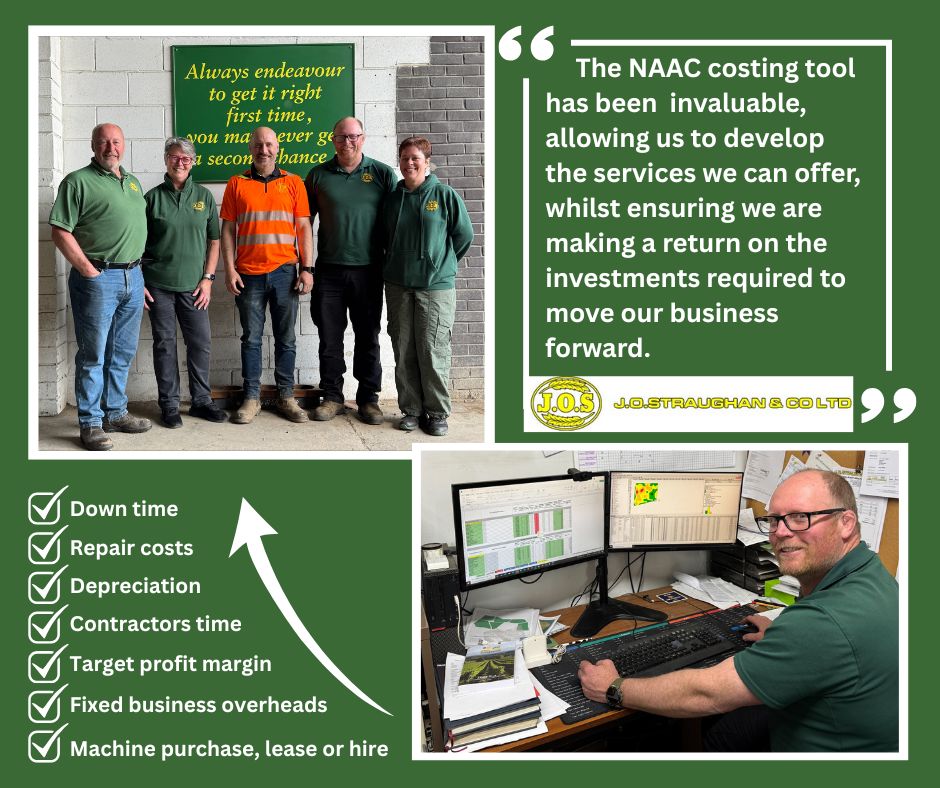
The NAAC is encouraging members to use an NAAC on-line pricing tool, developed with Andersons Consulting. This allows contractors to evaluate each operation, considering all costs, so that they can see the cold, hard facts for each job.
The tool takes account of numerous variables such as depreciation, repair costs of individual machines, yard costs, insurance and office staff, before breaking each job down, taking into account fuel costs, area of work, work rate, labour, downtime and profit. This allows quotes to be made, backed up by statistics, to get to a price that is realistic.
Inevitably contractors must find the right balance to retain a loyal customer base, whilst keeping up with inflation and helping their customers achieve optimal productivity, whilst running safe and efficient contracting businesses.
The tool takes account of numerous variables such as depreciation, repair costs of individual machines, yard costs, insurance and office staff, before breaking each job down, taking into account fuel costs, area of work, work rate, labour, downtime and profit. This allows quotes to be made, backed up by statistics, to get to a price that is realistic.
Inevitably contractors must find the right balance to retain a loyal customer base, whilst keeping up with inflation and helping their customers achieve optimal productivity, whilst running safe and efficient contracting businesses.

31 August 2022
Due to the recent heatwave soil conditions are very dry. Many areas have had below average rainfall and above average temperatures this year. This can result in trenchline settlement, when soil shrinkage causing settlement of drainage trench lines on sports and amenity areas could be a problem.
Operators of sports facilities should be aware that the problem can occur especially on clay soil sites. This can affect new drainage installations and possibly existing ones in severe drought conditions. It should be stressed that trenchline settlement is not usually due to poor installation by the contractor, but those having drainage installed should ensure that remedial measures to cater for possible trench settlement are agreed with the drainage contractor in advance. Those with an existing drainage scheme should seek advice on how best to minimise the problem if it occurs.
Prolonged periods of dry weather can result in a phenomenon associated with soils of high plasticity and expansion related to moisture content. Shrinkage of such soils – due to soil and ground moisture deficit – can result in subsidence of buildings, cracking of roads, and in respect of trenching, settlement of trench lines.
Settlement or cracking within trench lines in agricultural environments is not generally a problem and, indeed, is considered beneficial to the restructuring of consolidated or compacted soils.
However, the leisure and amenity sector can suffer to varying degrees, in some extreme cases sports turf facilities may be rendered no longer fit for use due to the hazard caused by cracking or settled trench lines.
The clay soils of the British Isles retain soil moisture with great tenacity. Water will only be drained from a soil once field capacity has been achieved; the drainage scheme will only remove surplus soil water.
A sports turf facility equipped with a drainage scheme will typically have a network of mains and lateral pipe work spaced at between 3 and 10 metre centres. The pipes are installed within excavated trenches and are backfilled with aggregate. Tri-axial shrinkage of the clay soils leads to increased trench widths allowing the backfill materials to settle causing depressions on the surface.
In addition to primary piped systems, secondary slit systems are often installed, offering improved surface drainage characteristics through either excavated or injected gravel or sand slits.
Clay soil shrinkage promotes natural cracking of the soils; these cracks will take the line of least structural resistance – specifically trench or slit lines. Exceptionally dry conditions can cause the drying of soil profiles to unprecedented depths with very low soil moisture content at depths exceeding 600mm.
The resultant soil shrinkage and cracking could generate settlement of trench and slit lines on both newly installed and, more surprisingly, existing established schemes which have been installed for a number of years. Where trench or slit lines have grassed over this settlement can present an unseen hazard to players on sportsturf and to horses on equestrian facilities and racecourses.
Once settlement has occurred, remediation measures are limited to topping up. On intensive schemes, general sand or root zone top dressing may be an option but deep settlement will require specific application to individual trench lines by means of specialist equipment operated by specialist contractors.
Information on drainage, including technical documents, is available here. Also, see the NAAC’s list of drainage contractors.
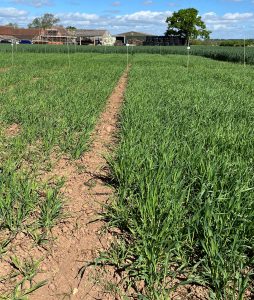
Photo: Trial spring barley plots showing seed size less than 2.22 (on left) and greater than 2.8 (on the right)
3 August 2022
New independent field trials done this year by SGS*, on behalf of the National Association of Agricultural Contractors (NAAC), show that bigger seed sizes result in significantly higher vigour, emergence, crop height and rooting weight. These trials are now being taken to harvest when final yield results will also be analysed.
These results are particularly important this coming autumn and spring as risk management will be key to growers. As input costs continue to remain at breath-taking highs, with no signs of abating, a tight juggling act will be needed to manage crop establishment and agronomy costs and cash flow, whilst commodity prices remain a relative unknown next year.
Farm saving seed will be an obvious choice for many but then it will be vital that every seed put in the ground is given the optimum opportunity to grow and reach a productive yield. Integrated farm management techniques will help growers to minimise the application of nutrients and plant protection products, but the seed itself will remain the building blocks of the following crop.
Whilst NAAC processors suspected that seed size matters, there was a lack of independent research and when initial processor trials in Cornwall indicated a link, this led to the NAAC commissioning scientific glass house trials of winter wheat and spring barley in 2020 to gather evidence.
Initial results (below) support the seed processors long held belief that bigger seeds demonstrate improved germination, emergence and vigour.
| Table 1: Winter Wheat | % Germination | % Emergence | Vigour |
| Fraction 1 : TWG 60 | 85 | 90 | 96 |
| Fraction 2 : TWG 40 | 75 | 90 | 95 |
| Fraction 3 : TWG 28 | 70 | 80 | 81 |
| Fraction 4 : TWG 16 | 32 | 24 | 30 |
| Table 2: Spring Barley | % Germination | % Emergence | Vigour |
| Fraction 1 : TWG 50 | 92 | 92 | 94 |
| Fraction 2 : TWG 36 | 86 | 88 | 87 |
| Fraction 3 : TWG 26 | 80 | 80 | 80 |
| Fraction 4 : TWG 15 | 70 | 70 | 70 |
TWG = Thousand grain weight
The next step was to take the trials out to the field. In Autumn 2021, the NAAC commissioned a fractional seed size field trial with SGS, who planted the seed and monitored crop growth, taking the final crop to harvest for a yield response measurement.
Winter wheat and spring barley were sorted by size into four different fractions, varying from >2.8mm and <2.22mm in size, and drilled in field conditions. The results to date (June 2022), are showing that larger seeds, which receive the same inputs pre- and post- drilling, grow significantly better than smaller seeds.
Trial results are proving that sorting seed, to select the largest fraction, will significantly increase:
It is therefore critical, if farm saving, to get the seed sorted by size. NAAC field trial results statistically demonstrate the importance of having seed processed to ensure that each drilled seed is selected for its optimal potential, so future benefits of applying fertiliser and other inputs can be maximised.
Commenting, Richard Jones, NAAC Seed Section Chairman said, ‘Our results clearly show the benefits of using quality processed farm saved seed, selected for size to balance cost and output. By selecting the largest seed sizes, growers can help their crop get well-established and ahead to potentially benefit from higher yields in the final harvest.’
When a mobile seed processor is employed the waste fraction is also left on the farm, to be sold or used as feed. This way there is no waste, saving money, whilst selecting the best seed for cropping.
These scientific trials demonstrate the practice of barn dipping seed, without screening and gravity selection, is not a proven route to success and that money will be well spent getting farm saved seed cleaned and processed.
*SGS is the world’s leading inspection, verification, testing and certification company. https://www.sgs.co.uk/en-gb/agriculture-food/seed-and-crop

23 May 2022
The NAAC and NFU have produced a checklist to make it easier for farmers and professional contractors to work together, ensuring that work is carried out safely and efficiently. Farmers can use this checklist when putting in place and communicating the responsibilities and actions of each job to the contractor.
It is vital that contractors and farmers have a close relationship, not only to make the partnership a financial and productive success, but also to keep everyone safe; the new checklist offers a useful tool to support this.
Commenting, Jill Hewitt, NAAC Chief Executive said, “Contractors are now relied upon by many farms to provide a skilled labour force and high-tech machinery. It is essential that everyone works together to exchange local information to make the job run smoothly, avoid public nuisance and keep staff, families and the public safe.”
As part of the Farm Safety Partnership, the NAAC and NFU are working with other industry organisations to improve the safety record in farming.
It is difficult to separate business requirements, environmental concerns and safety as all tend to be interlinked, and the new checklist aims to draw together the vital elements of a successful and safe contractor-farmer relationship.
NFU Vice President David Exwood said: “Farmers and agricultural contractors work closely together on a day-to-day basis, and this new checklist is a great tool to ensure that the whole industry is working together to help everyone remain safe.
“This checklist is about improving the working relationship between farmers and contractors by making small changes to reduce the risk of accidents, while also improving efficiency and productivity.”
The Partnership Checklist can be found here.

17 May 2022
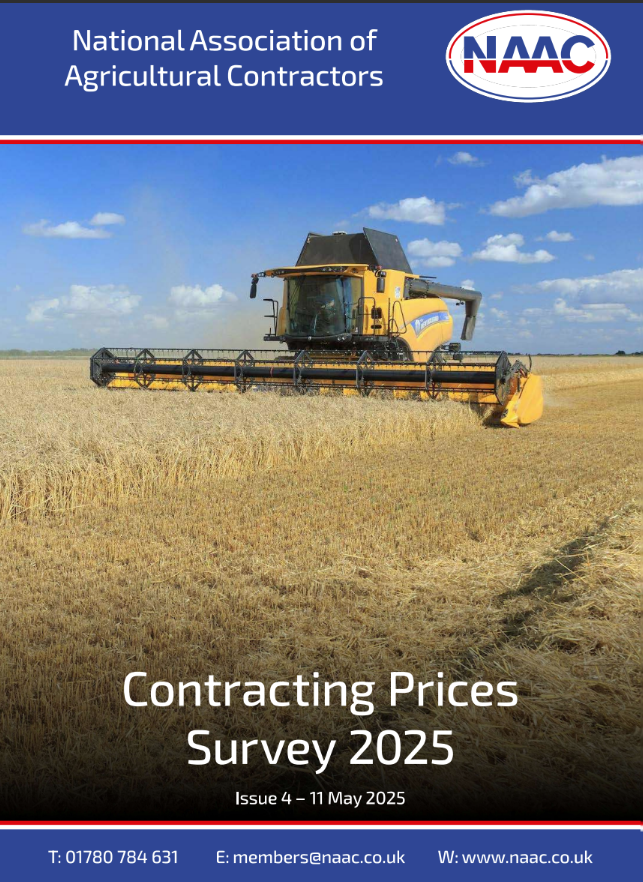
The National Association of Agricultural Contractors (NAAC) has released its latest survey of contracting prices and is advising farmers and customers to expect price rises. The new prices survey for 2022-23 can be found here.
With fuel prices at record highs and the costs of labour and machinery escalating, contracting prices are rising. The current survey was carried out based on a pound per litre for fuel, and contractors are being advised to calculate their fees carefully to ensure they are covering costs and can make a margin. This survey is only an average figure and farmers should expect their contractors’ prices to vary, plus be prepared that a fuel surcharge may be necessary if prices continue to fluctuate.
Commenting Jill Hewitt, NAAC Chief Executive said, ‘These are difficult times for everyone, and it is vital that contractors work closely with their customers to ensure all businesses can remain viable and productive. Profit must not be a dirty word if contractors are to keep pace with new technology, training and investment in their businesses, to supply the professionalism, machines and skills that are increasingly being demanded to meet farmers’ sustainability and environmental targets.’
The NAAC has recently launched a new on-line pricing tool for its membership, with Andersons Consulting, to allow contractors to evaluate each operation, considering all costs, so that they can see the cold, hard facts for each job. The tool takes account of numerous variables such as depreciation, repair costs of individual machines, yard costs, insurance and office staff, before breaking each job down, taking into account fuel costs, area of work, work rate, labour, downtime and profit. This will allow quotes to be made, backed up by statistics, to get to a price that is realistic.
Inevitably farmers will get what they pay for in their contractor going forward and if an efficient, professional service, with well-maintained reliable machinery is needed, then a partnership approach will be vital.

7 March 2022
James Bannister was elected as new NAAC Chairman at the AGM on 4th March 2022. Taking over from previous Chair Matt Redman, James runs an agricultural contracting business in the Yorkshire, Lincolnshire and Nottinghamshire borders spreading manures and lime, alongside crop spraying.
However, it was in 1998 that James’s life was drastically changed when he lost his left arm in a farm accident, having become entangled in a potato harvester. It has taken over twenty years to successfully rebuild his life and business, JLR Farm Services, and James is now in a position to want to help others stay safe on farms.
“If just one person changes the way they operate, based on my experience, that will be one life potentially saved”, commented James. “In my new role as NAAC Chairman, I want to drive the Association forward, whilst putting particular focus on trying to improve our dreadful industry safety record.”
Farming is currently facing challenging times, with rocketing input prices and a declining farm subsidies, but the NAAC is working hard to ensure that contractors can future-proof their businesses, supporting farmers in building sustainable and productive operations, whilst protecting the environment and animal welfare.
“As finances tighten and skilled, trained labour is harder to source,” said James, “it becomes more tempting to cut corners and push boundaries. However, it is critical to focus on safety management to ensure that all our contracting workforce is kept safe and is supported. I am passionate about farm safety and am honoured to be Chairman and have the unique opportunity to try and make a real difference to our industry.”
16 June 2021
A new independent trial carried out by the National Association of Agricultural Contractors (NAAC) has proven that larger seed sizes of typical UK varieties of winter wheat and spring barley resulted in higher emergence rates, increased initial vigour, longer initial root and shoot lengths, higher root and shoot mass, greater initial tillering and greater initial leaf number.
Carried out by SGS in greenhouse conditions in early 2021, the results highlighted that seed size is a vital factor in potential yield, whether using farm saved or certified seed.
Commenting, Rob White, NAAC Seed Chairman said, ‘Farmers are increasingly questioning the need to have farm saved seed treated and cleaned. However, these results clearly highlight the importance of only filling the drill with viable seed. Larger seed sizes were proven to have higher germination, higher vigour and improved emergence compared to small seed sizes of the same lot.’
Based on the results in this trial, it’s expected that a crop drilled with smaller seed, or an uncleaned seed batch would result in a lower yield and perhaps lower quality of harvested grain than a crop drilled from a larger or cleaned seed batch. Small seeds in the drill are then effectively taking up space that could be occupied by a larger, more productive product.
Rob continued, ‘It is vital that farmers look hard at their farm-saving economics. Whilst costs can be cut by barn dipping, this may be a very short-sighted gain. Our results clearly show that seed that is cleaned and of larger size selection will put the crop at a competitive advantage by having initial growth gains. These bigger leafed and high tillering plants will also compete more vigorously with nuisance weeds like black grass. In field conditions, this is also likely to make smaller seeds, with a lower emergence rate and growing more slowly, more susceptible to pressure from pests and diseases which could further reduce crop vigour.’
Farmers should consider using a professional mobile seed contractor if intending to farm save, not only to select out larger more productive seeds, but also to remove weed seeds, stones and rubbish to maximise yield potential. Agronomic progress is moving on at a pace and growers must start with the basics of selecting the best possible seed sample to drill.
Locate an NAAC mobile seed processor at Find a Contractor.
2 December 2020
The NAAC is delighted that Defra will offer new Farming Investment Fund grants to agricultural contractors in 2021 and beyond. As part of the historic new Agriculture Act 2020, which will change the face of farming for the next generation, this is a momentous decision that will impact on contractors now and in the future.
Commenting Jill Hewitt, NAAC Chief Executive said, ‘Contractors have historically been overlooked in Government policy and the NAAC has worked hard to make certain that we are finally acknowledged and can access vital funding to help drive forward the industry. This will help contractors invest, bringing forward new technology and environmentally beneficial machinery to market, allowing landowners to minimise capital investment whilst sharing contractor’s kit. It also sets an important precedent, recognising the importance of professional contractors in modern farming.’
Contractors have been specifically excluded from farming grants in the past, and the NAAC has been lobbying for years for official recognition of this sector as a vital and integral part of UK agriculture.
Over 91% of farmers use a contractor and are increasingly reliant on the external input of specialist machinery, skills and labour. It is no longer necessary, or financially viable, to run all machinery in-house and contractors can bring new ideas and technology, fast-tracking access for farmers and driving productivity forward.
‘Professional contractors can offer solutions to many of the current environmental and productivity dilemmas’, said Jill Hewitt. ‘They can invest in high-tech equipment (eg low emission slurry spreaders) and it is right that they should have access to grant funding to spread the investment and expertise over a greater number of farms’.
When it comes to ‘public money for public goods’, the NAAC believes that contractors will offer a significant and sound investment.
The new Farming Investment Fund grants are expected to support innovation and productivity. This will open for applications next year and will be used to offer grants for equipment, technology and infrastructure for the future. It will be a competitive scheme split into two funds, for lower-value and higher-value investments, with grants available for a proportion of the total cost of investment
The fund will provide targeted support to businesses so that they can invest in equipment, technology, and infrastructure that will improve their productivity and deliver environmental and other public benefits.